

The BRYCK Startup Alliance unites research, industry & growth with one vision:
Building one of Germanys Startup Factories with a focus on B2B Tech in Germany’s industrial heart: the Ruhr Region
We unite and leverage the region’s two greatest strengths:
1) Germany’s densest university landscape, generating a strong pipeline of cutting-edge innovation
2) an unmatched density of industrial firms, driving market access and growth opportunities
The BRYCK Startup Alliance Partners:
▪️ Ruhr-Universitität Bochum, TU Dortmund & Universität Duisburg-Essen (University Alliance Ruhr): with 110.000 students and 14.000 researchers, the Ruhr area boasts Germany’s densest university landscape – providing an unmatched pipeline of cutting-edge innovation.
▪️ Initiativkreis Ruhr: 70 leading corporates, hidden champions & institutions – creating direct access to industry leaders & decision makers
▪️ RAG-Stiftung: one of Germany’s largest private foundations with €18 billion in assets (2024), the RAG-Stiftung providing sustainable financial support
▪️ BRYCK: Excellence in Startup Acceleration (80% funding & 75% client success rate after 6 months) & top-tier mentors and industry experts.
Together we combine entrepreneurial expertise, cutting-edge research, financial strength & a unique network of leading industrial companies.

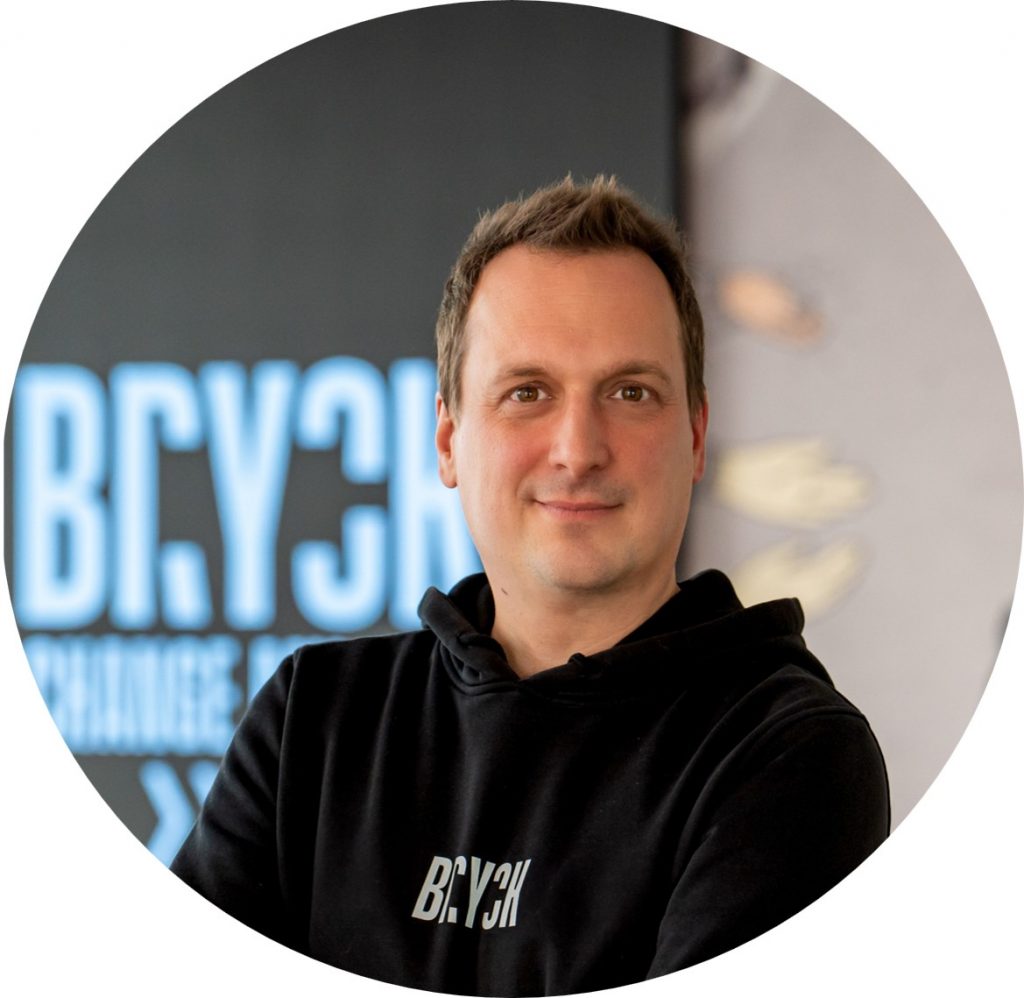
“Climate tech innovation rarely fails because of technology—it fails when the ecosystem needed to bring it to market is off balance. Start-ups need coordinated access to capital, industry partners, pilot environments and supportive policy frameworks to move solutions from prototype to large-scale deployment.”
Tobias Grün, Member of the Executive Board